%2Ffit-in%2F250x250%2Fguide_websites%2F57343%2Fimages%2F176897583876797dac44a-d0d2-4eb2-8f0f-be9ac7e21c28.png&w=1920&q=100)
%2F%2Fusers%2F9a615ef9-3989-413d-8fac-359c22075a98%2Fratecard%2F0ba6ebe3-213a-4dac-a428-ceb3639ad5d1.jpeg&w=1920&q=75)
Big Pine Key Inshore Fishing Adventure
Picture yourself casting lines in crystal-clear waters where the Florida Keys backcountry meets some of the most productive fishing grounds in South Florida. Captain Paul's 5-hour inshore charter puts you right in the sweet spot - targeting trophy fish around the iconic bridges while exploring the shallow flats that make this area a world-class fishing destination. This isn't your typical crowded party boat experience. You'll have the entire 26-foot Twin Vee center console to yourselves, with room for up to four anglers and all day to dial in on what's biting. Whether you're teaching the kids their first cast or you're a seasoned angler looking to add some Keys species to your logbook, this trip delivers the perfect blend of action and education.
What to Expect on the Water
Your day starts at Big Pine Key, where you'll meet Captain Paul and get the rundown on the game plan. The beauty of this charter is the flexibility - some days we're working the shadow lines under the famous Seven Mile Bridge, other days we're poling the flats looking for tailing redfish or cruising sea trout. The Twin Vee's shallow draft gets us into spots where bigger boats can't go, and the twin engines mean we can cover serious water when we need to chase the bite. Captain Paul keeps things relaxed but focused, spending time with each angler to make sure everyone's getting their shots. Kids especially love this trip because there's always something happening - even when the fish aren't cooperating, we're moving, exploring, and learning about this amazing ecosystem. The boat comes loaded with quality gear, fresh bait, and everything you need for a successful day, including your fishing licenses. Just bring sun protection, snacks if you want them, and get ready to see why the Keys have been drawing anglers for generations.
Bridge Fishing & Backcountry
The real magic happens when we combine two totally different fishing styles in one trip. Working under the bridges means targeting structure-loving species like grouper and snapper that hang around the pilings and current breaks. We'll use heavier tackle here, dropping live shrimp or pinfish down to where the big boys live. The technique is all about reading the current and positioning the boat so your bait drifts naturally past the fish. Then we'll shift gears completely and head to the shallow backcountry flats where sea trout and Spanish mackerel roam. This calls for lighter tackle and more finesse - think live shrimp under popping corks or small jigs worked along the grass lines. Captain Paul switches up the approach based on tides, weather, and what the fish are telling us. Some days the bridge bite is on fire, other days the flats are loaded. The 26-foot Twin Vee handles both environments like a champ, stable enough for bridge fishing but shallow enough to get back into those skinny water honey holes where the big trout like to feed.
Species You'll Want to Hook
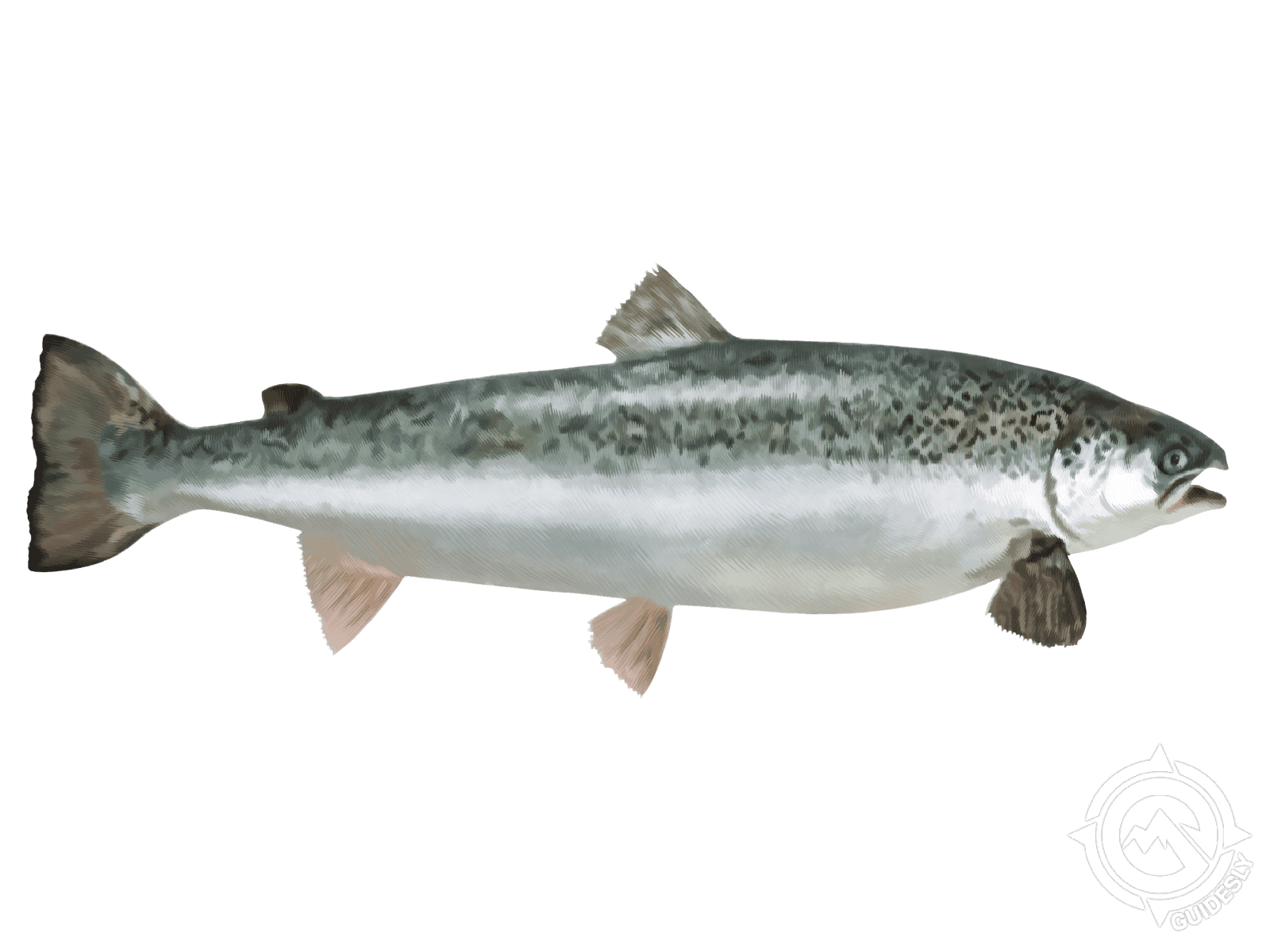
Sea trout are the bread and butter of Keys inshore fishing, and for good reason. These spotted beauties love the grass flats and can be found year-round, though they really turn on during the cooler months from October through March. A good trout runs 15-20 inches and fights with surprising power for their size, making those screaming runs that get everyone excited. They're perfect for beginners because they're aggressive feeders and forgiving when it comes to technique. Plus, they're excellent table fare when you want to take a few home for dinner.
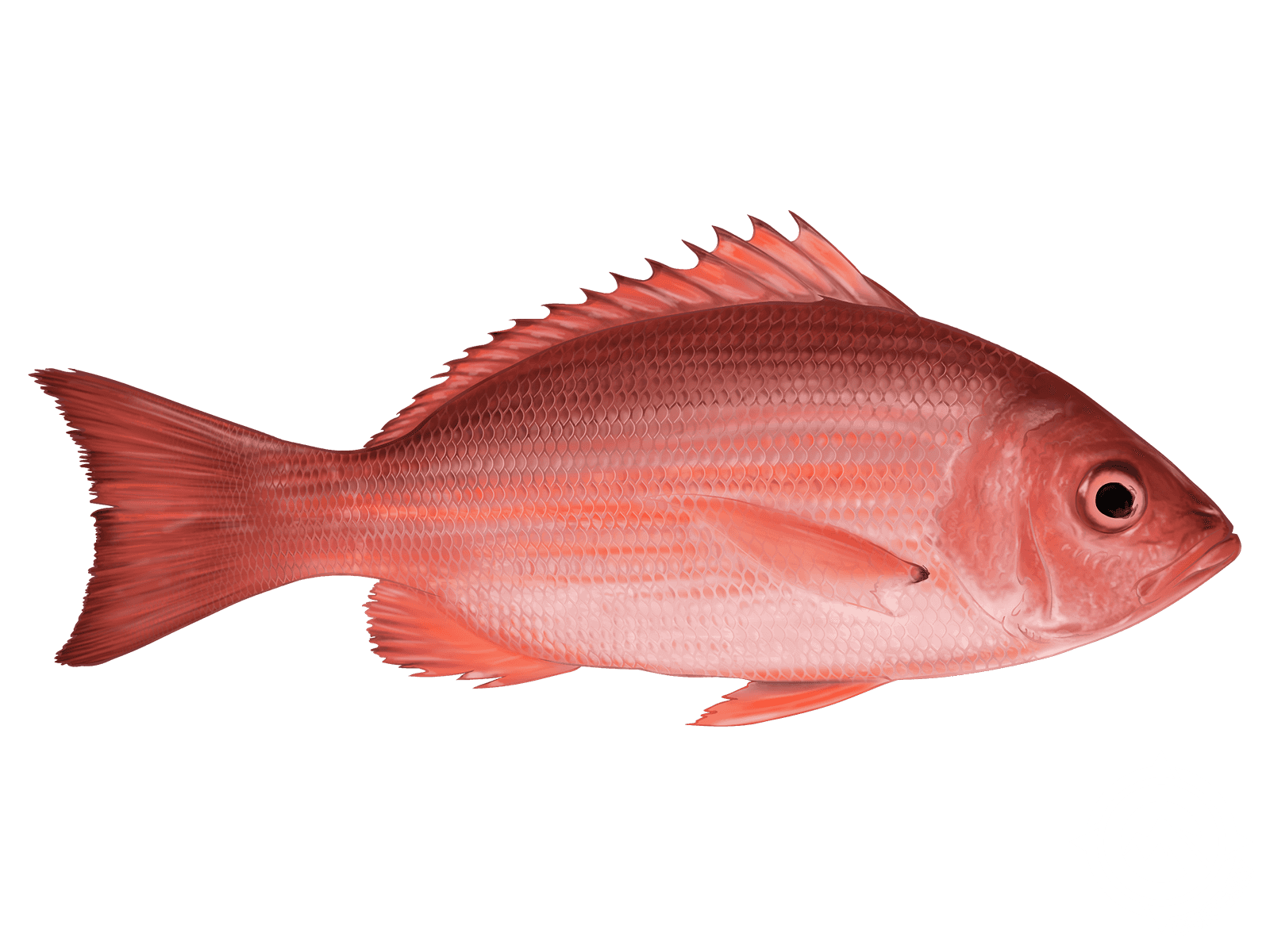
Red snapper are the prize of the bridge fishing portion, though regulations keep changing so we'll always check the current rules before targeting them. These crimson fighters are ambush predators that lurk around structure, and when you hook one, you'll know it immediately. They make powerful runs toward the bottom, testing your drag and your patience. Most of the snappers we encounter run 12-16 inches, but the occasional monster will make your day. They're smart fish that require good presentation and fresh bait.
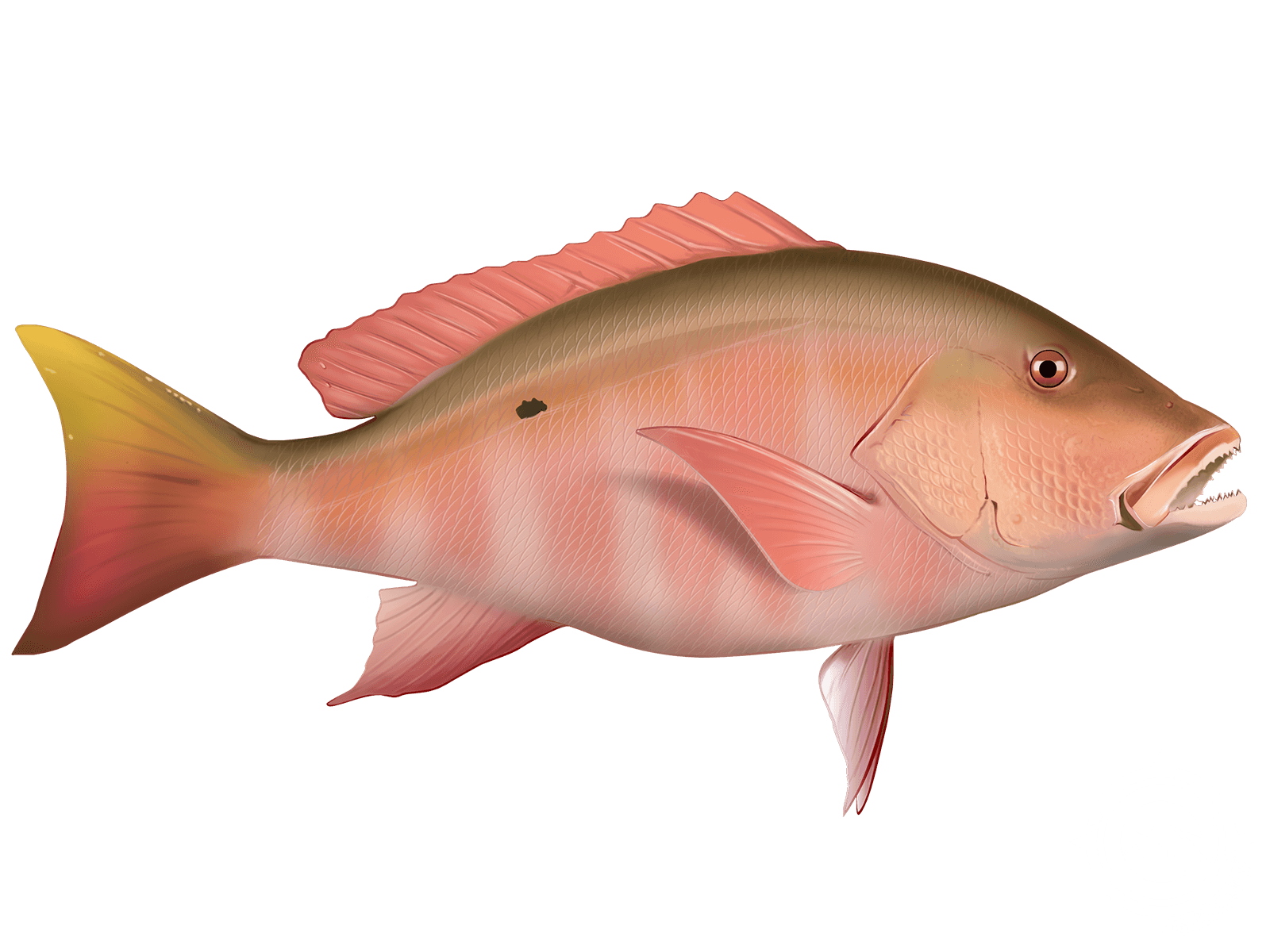
Mutton snapper are often called the "king of the reef fish" for good reason. These olive and pink beauties are incredibly wary and put up a fantastic fight once hooked. They're most active during the warmer months and love live bait presented near structure. A nice mutton snapper runs 3-8 pounds and is considered one of the best eating fish in South Florida waters. They're challenging enough to keep experienced anglers engaged while still being catchable for newcomers with proper instruction.
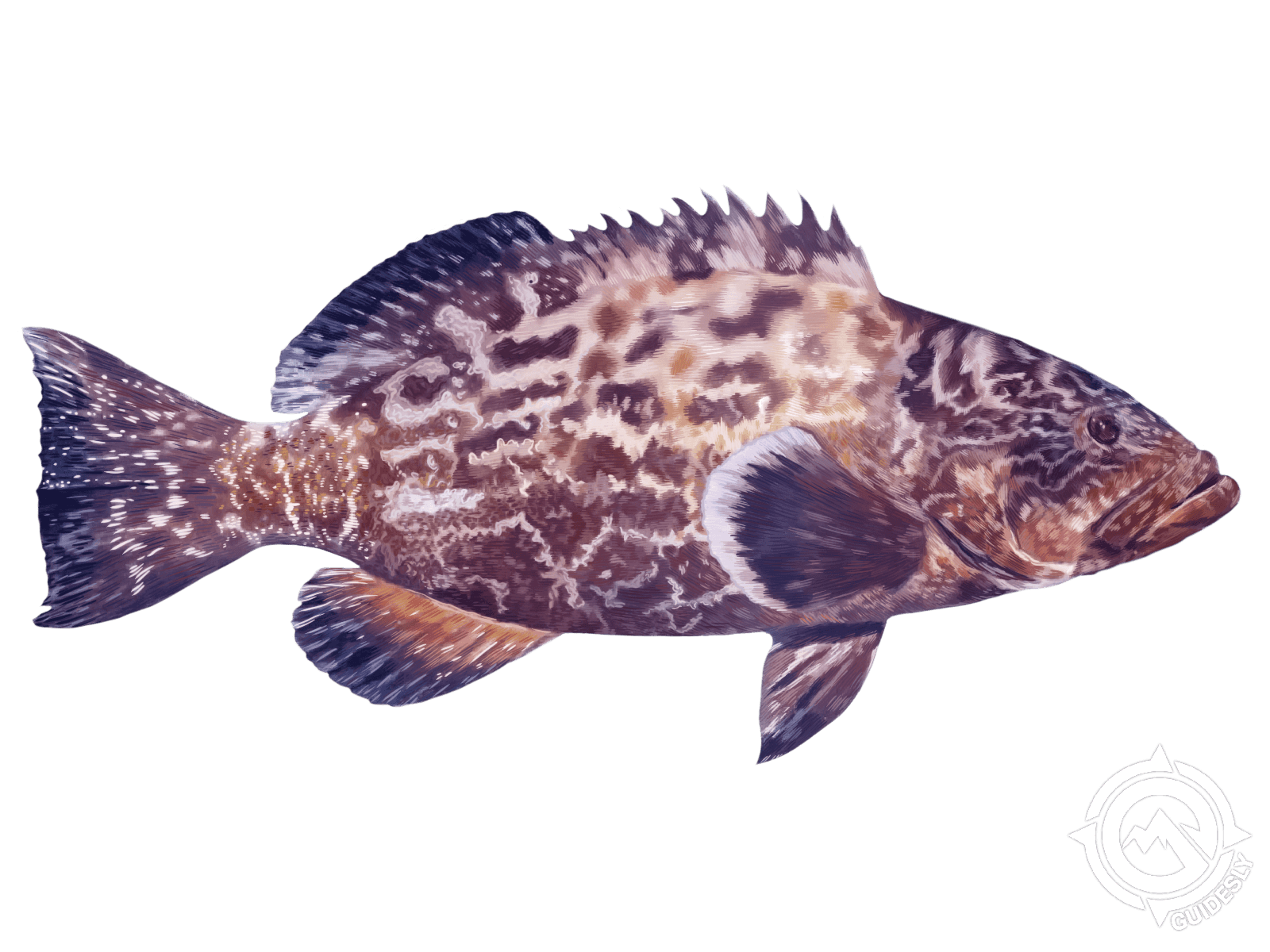
Black grouper represent the heavyweight division of our target species. These mottled brown fighters are ambush predators that inhale baits and immediately head for the nearest structure to break you off. The key is stopping that first run and keeping steady pressure. Most of our grouper range from 2-10 pounds, though the occasional bruiser will test everyone's skills. They're more common during the summer months and absolutely incredible when prepared fresh. Just remember that grouper season has specific dates, so timing matters.
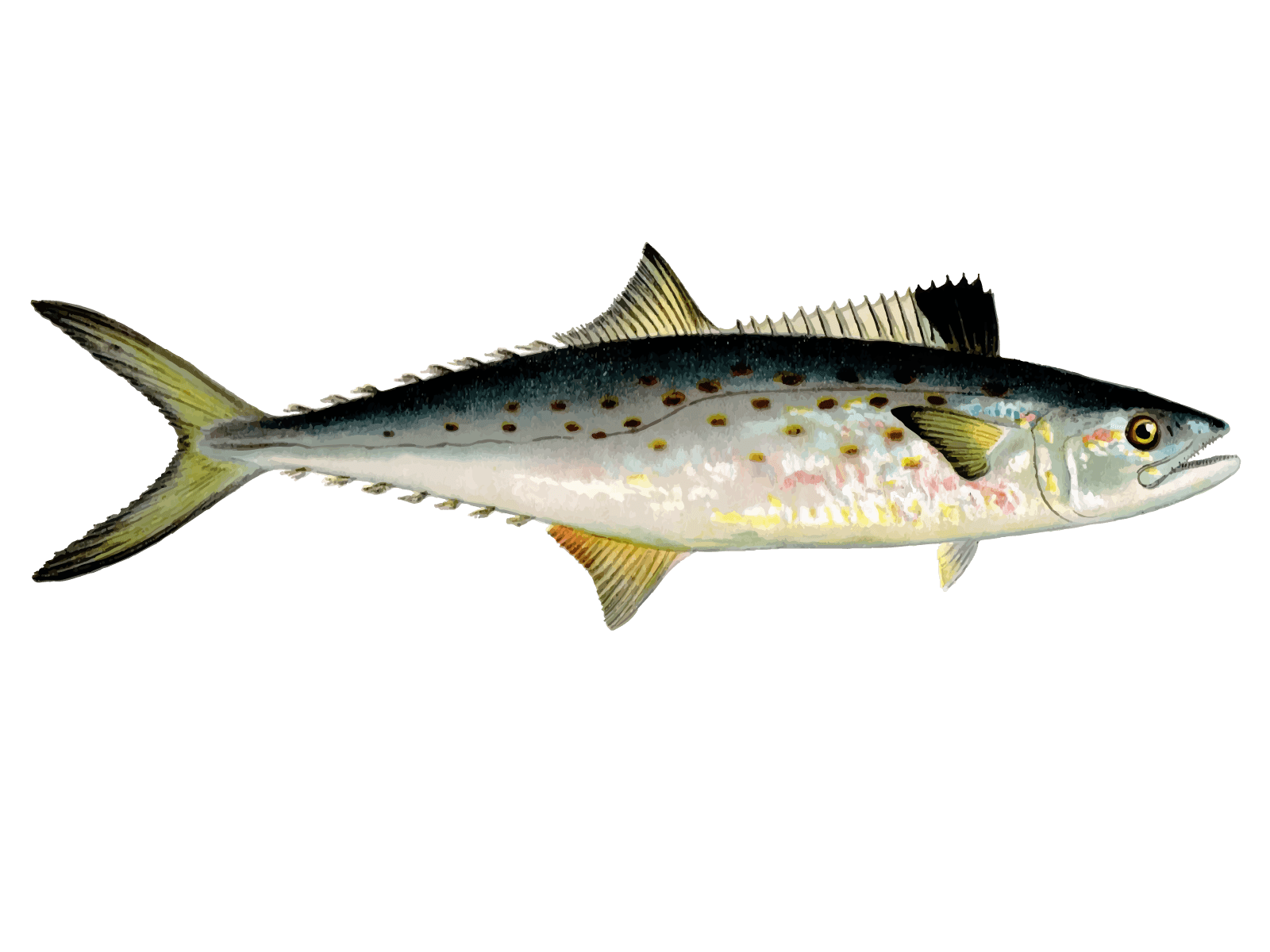
Spanish mackerel bring the speed and aggression that makes inshore fishing so addictive. These silver bullets are built for speed, with razor-sharp teeth and an attitude to match. They're fantastic on light tackle, making blistering runs and acrobatic jumps that get everyone's attention. Mackerel are most active during the warmer months and love small jigs, spoons, or live bait. They school up in good numbers, so when you find them, the action can be non-stop. Kids especially love catching Spanish mackerel because they hit hard and fight clean.
Time to Book Your Spot
This top-rated Big Pine Key fishing charter gives you the best of both worlds - the excitement of bridge fishing combined with the serenity of backcountry flats fishing, all in one action-packed day. Captain Paul's hands-on approach means everyone learns something new, whether you're a first-timer or a seasoned Keys angler. With all gear, bait, and licenses included, plus the comfort of a private
Learn more about the species
Black Grouper
Black groupers are pure muscle and attitude - exactly what serious anglers dream about. These olive-gray bruisers with dark rectangular blotches average around 2 feet, but can reach massive sizes up to 5 feet and over 100 pounds. They hang around wrecks, ledges, and reef structure from 30 feet all the way down to 300 feet, depending on season. What makes them special is the raw power - once hooked, they'll try to drag you straight back to the rocks. The meat is fantastic with a mild flavor and firm texture that's perfect for any recipe. Winter brings them shallower, while summer finds them deeper. Heavy tackle is essential - 80lb braid minimum. Here's the trick: when you feel that bite, reel hard immediately. Don't give them a chance to think or they'll bury you in structure.
Mutton Snapper
Muttons are some of the smartest fish in the Keys, and that's what makes them so rewarding to catch. These olive-colored snappers with distinctive blue lines around their face typically run 15-20 inches, though they can reach over 30. You'll find them around coral reefs, sandy areas near structure, and along mangrove edges where there's good tidal flow. They're usually solitary or in small groups, making them trickier to target than schooling fish. What makes them special is their wariness - they inspect every bait carefully. The fight is solid and the meat is excellent table fare. They're most active during moving tides, especially around dawn and dusk. My best advice: use the freshest bait possible with minimal weight and let it drift naturally in the current. Patience pays off with these fish.
Red Snapper
Red snappers are the prize fish that everyone wants to catch - and for good reason. These beauties average 1-2 feet and 5-10 pounds, but can grow much larger. You'll find them around structure in 30-200 feet of water, especially near wrecks, reefs, and rocky bottom. They're true bottom dwellers with that classic red color and fight like crazy when hooked. What guests love most is the battle - they'll run straight for cover trying to cut your line on structure. The meat is absolutely top-notch with a mild, nutty flavor that's perfect for any cooking method. Spring through fall gives you the best action when they're actively feeding. Here's the key: once you hook one, keep steady pressure and don't let them get back to the rocks or you'll lose them every time.
Sea Trout
Also called spotted seatrout or speckled trout, these fish are a staple around the grass flats and shallow waters near Big Pine Key. Most run 14-24 inches and weigh 1-5 pounds, though bigger ones show up occasionally. They love feeding on shrimp, small crabs, and baitfish around structure. Best fishing happens at dawn and dusk when they move into the shallows to feed. What makes them fun is they're great fighters for their size and put up a solid scrap on light tackle. The meat is white, flaky, and delicious - just don't overcook it or it gets mushy. My tip: use live shrimp under a popping cork around grass beds. When you see the cork go down, set the hook quick because they'll spit it fast.
Spanish Mackerel
Spanish mackerel are pure speed and action - perfect for getting everyone on the boat excited. These silvery speedsters with yellow spots typically run 12-24 inches and 2-8 pounds, but they're built like torpedoes. You'll find schools cruising near the surface around structure, flats, and open water areas. They're incredibly fast swimmers that travel in massive schools, sometimes stretching for miles. What guests love is the nonstop action - when you find a school, everyone can catch fish. They hit hard, run fast, and are absolutely delicious with mild, flaky meat that's great grilled or smoked. Warmer months bring them closer to shore where we can easily target them. Best tip: once you hook one, keep your bait in the water because the school will stick around and everyone else will want to get in on the action.
About the 26' Twin Vee Center Console
%2F%2Fusers%2F9a615ef9-3989-413d-8fac-359c22075a98%2Fvehicle_picture%2Fboatpic3-mj99dhyt.jpg&w=1920&q=75)
Vehicle Guest Capacity: 8
Manufacturer Name: Suzuki
Maximum Cruising Speed: 32
Number of Engines: 2
Horsepower per Engine: 150